
Working For Children’s Peace and Justice Through Education Since 1953
Jane Addams was born
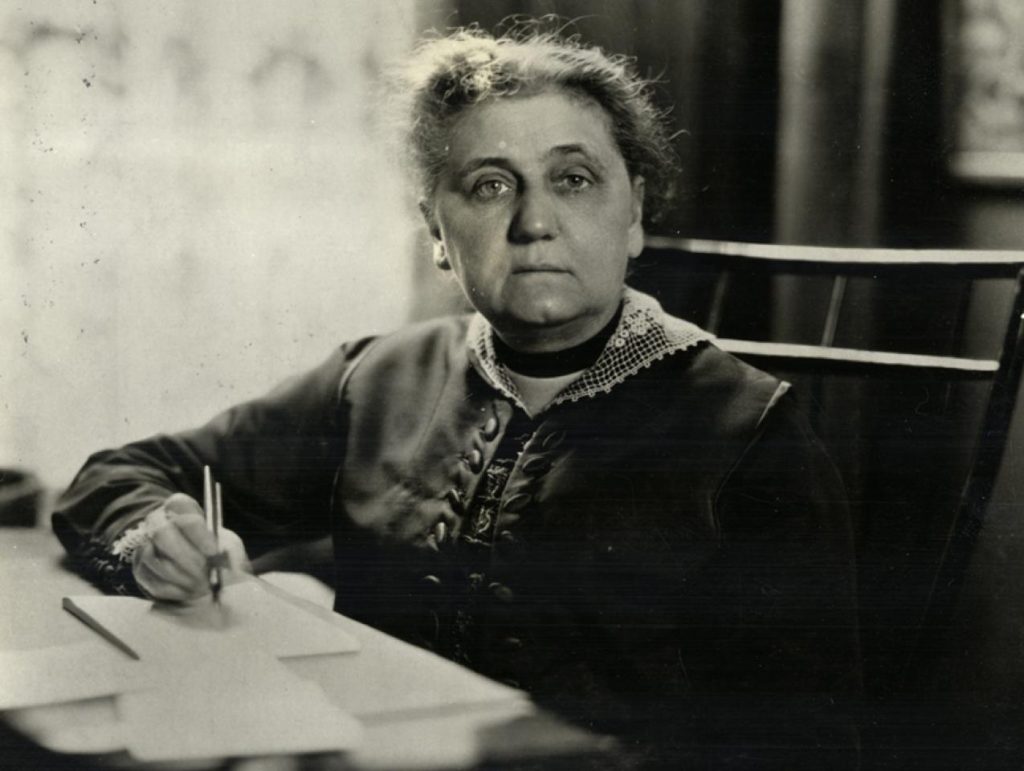
September 6, 1860
Laura Jane Addams was born in Cedarville, Illinois.
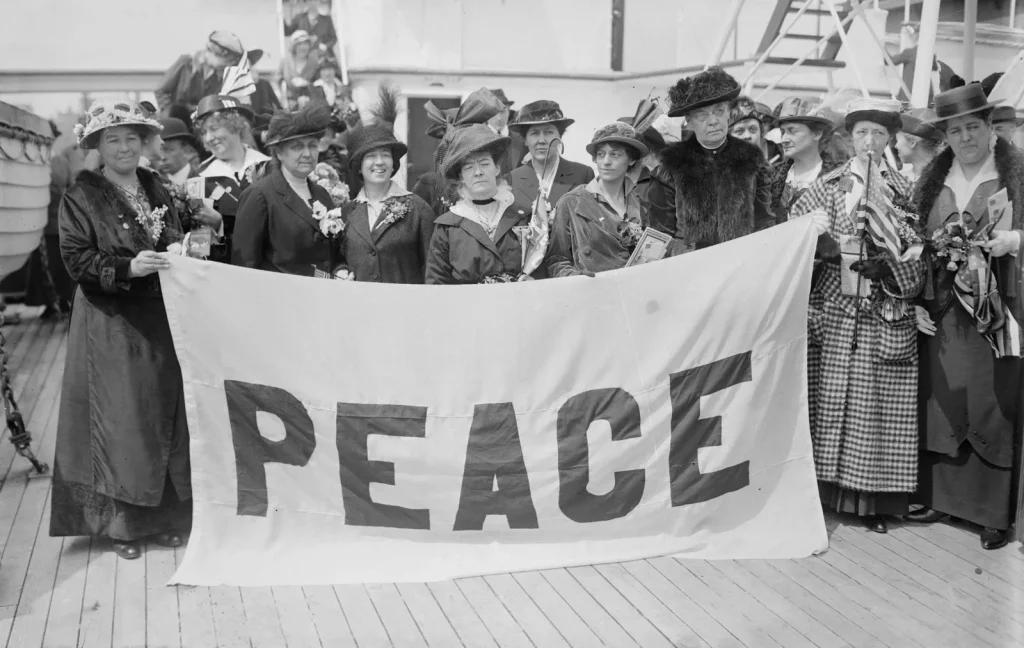
The Women’s International League for Peace and Freedom (WILPF) was founded

1915
Jane Addams co-founded this organization that would later produce the Jane Addams Children’s Book Award.
Jane Addams dies at the age of 71
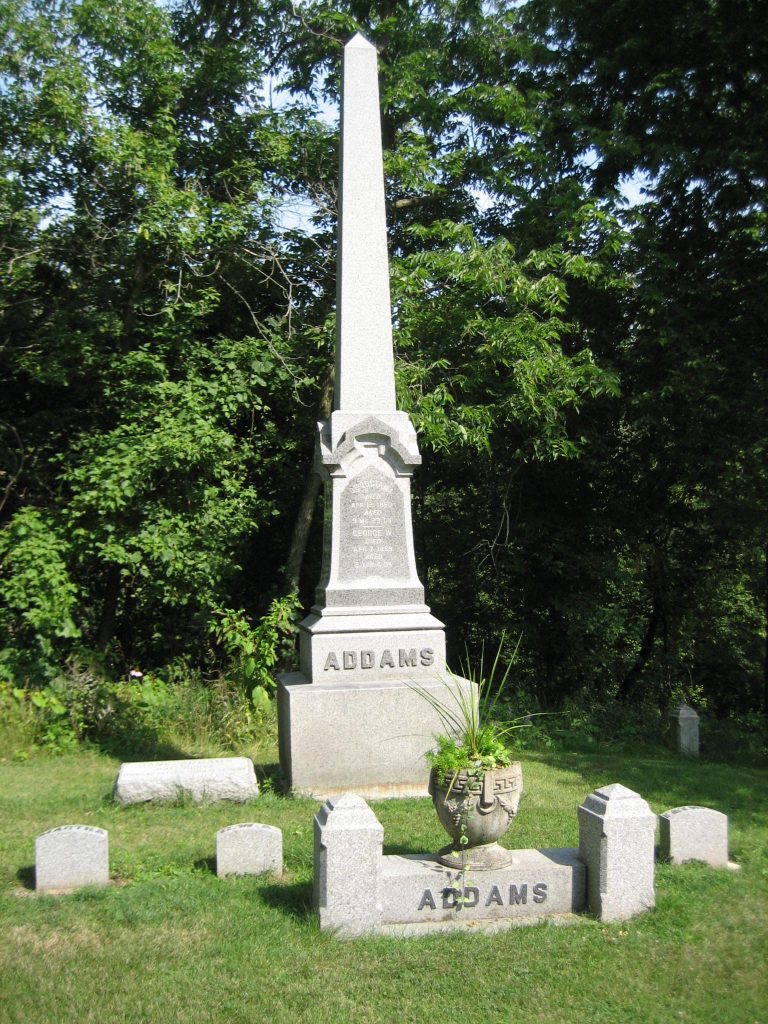
May 21, 1935
Jane Addams died in Chicago, Illinois and was buried in her hometown of Cedarville, Illinois.
The Jane Addams Children’s Book Award begins
1953
A WILPF member named Martha Teele sent out an invitation to book publishers in the United States to submit books for the newly established Jane Addams Children’s Book Award.
The Book Award begins honoring multiple titles yearly, instead of just one.
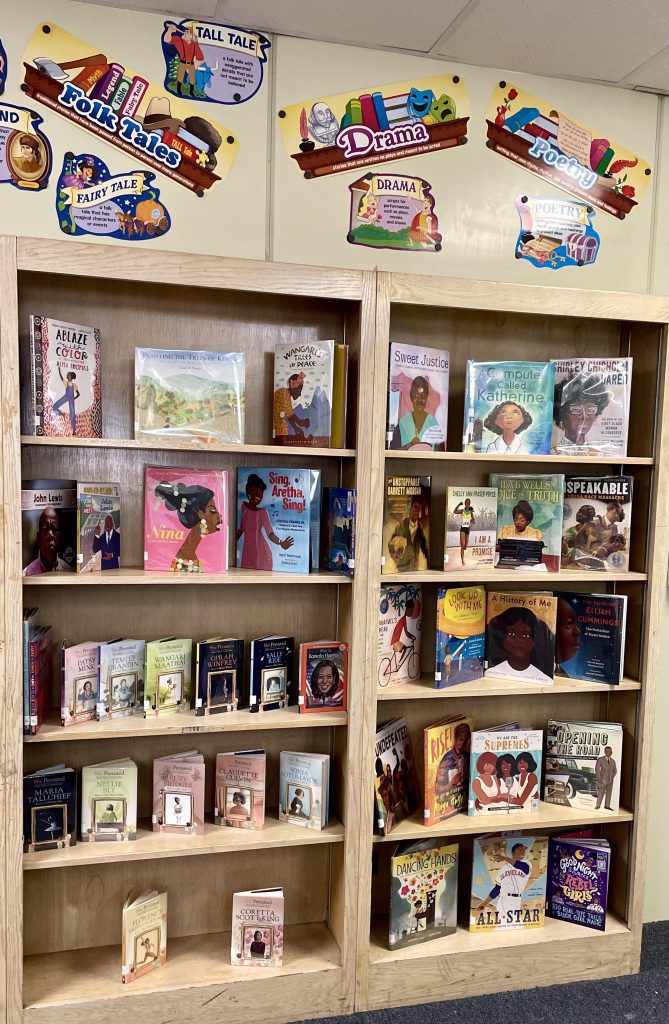
1970s
In the 1950s, a single title received the award annually.
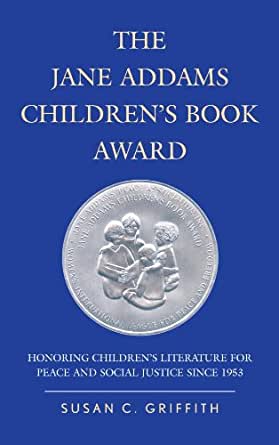
“The Jane Addams Children’s Book Award: Honoring Children’s Literature for Peace and Social Justice since 1953” is published.
2013
This book written by Susan C. Griffith examines the winners and honorees of the Jane Addams Children’s Book Award and discusses the accomplishments of Jane Addams.
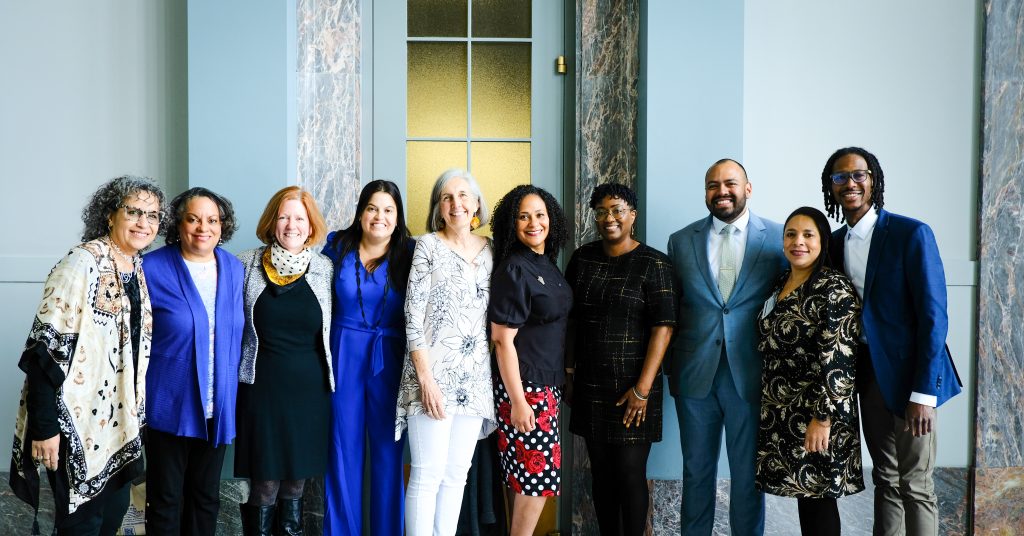
The Jane Addams Peace Association celebrates its 70 year anniversary
2023
The Peace Association headed to Illinois to celebrate the 70th anniversary at the Harold Washington Library Center in Chicago.
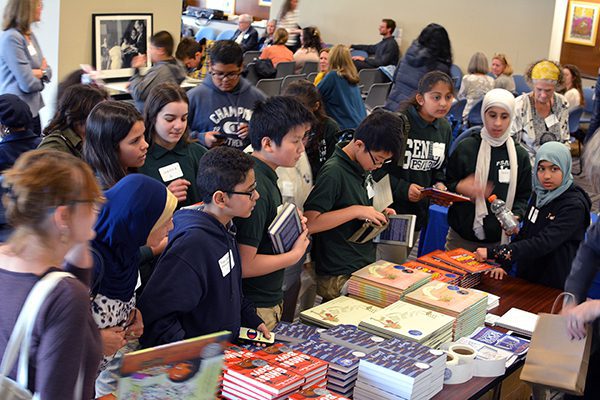
Original Criteria For Winning the Jane Addams Children’s Book Award in 1953

1. Reconciling opposite viewpoints.
2. Solving emotional problems nonviolently, so that a child may learn from his experience what is involved in the problem, what his responsibility is toward it, and how it can be handled with increasingly satisfactory results for all concerned.
3. Breaking down of suspicion and fear.
4. Overcoming prejudice against things and people and ideas that are different.
5. Understanding of destructive impulses: fear, greed, jealousy, treachery, deceit, and insecurity which breeds them.
6. Approaching life constructively through sympathy, understanding, and security.
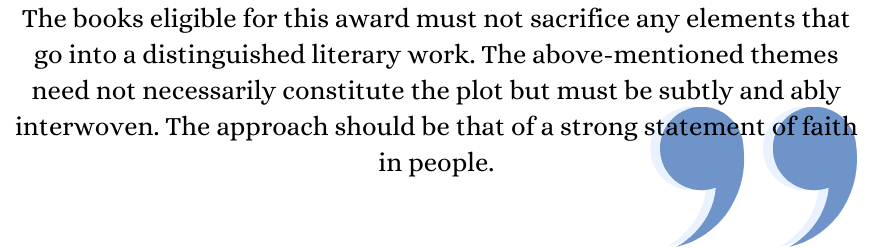
The selection criteria have evolved, grown, and been refined over time. The biggest difference between the early criteria and today’s is a change in perspective. The focus no longer rests solely on a book’s just, enlightening, instructive content, coupled with literary merit, but on how the reader interacts with a book. In 1953, the call went out for books with “humor and imagination” and a strong statement of “faith in people” that encouraged the development of a peaceable person. Now, coupled with literary and artistic quality and the criteria focus on how books effectively engage children thinking about peace, social justice, global community, and equality for all people. It is the nature of the dialogue, response, reflection, and questioning which a book engenders in young readers that is key.
